
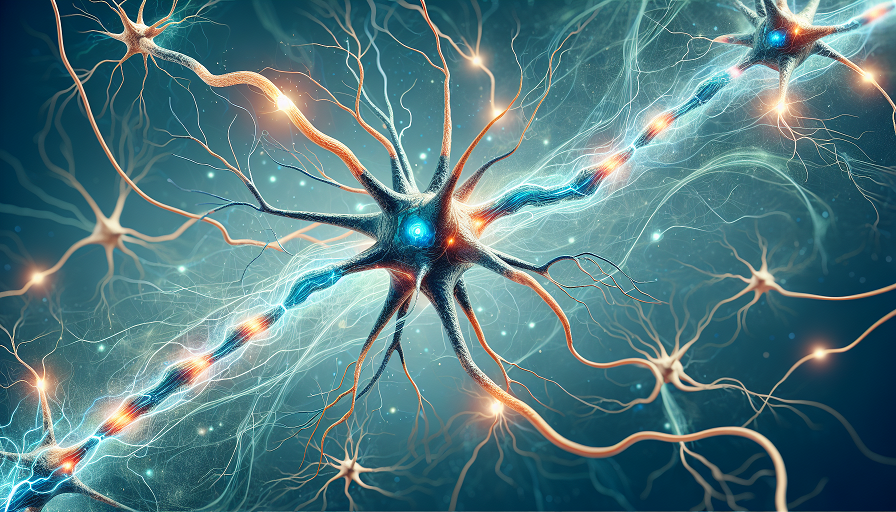
Yes – potentially. Picking up an instrument at any age challenges attention, memory, hearing, and movement all at once, which can support brain plasticity and help preserve thinking skills as you get older. It is not a cure-all, but regular practice adds a rich kind of mental cross-training that everyday habits rarely provide.
Contents
Why Music Training Helps An Aging Brain
Playing music blends multiple systems – auditory perception, motor control, timing, and working memory – into one coordinated task. This complex load appears to strengthen networks that support processing speed, attention, and executive function, all of which commonly decline with age.
What Makes Instrument Practice So Powerful
Several ingredients make music an unusually effective “whole-brain” workout compared with many hobbies.
Auditory Precision And Timing
Matching pitch and rhythm sharpens hearing in noise and trains micro-timing. These skills translate to better speech-in-noise understanding – useful in crowded rooms.
Attention And Working Memory
Reading notes, planning fingerings, and staying on tempo force you to hold and update information rapidly. That repeated challenge exercises working memory and task switching.
Motor Learning And Coordination
Fine finger movements and breath control build motor maps and body awareness, reinforcing connections between sensory input and action.
Motivation And Emotion
Music is rewarding. Enjoyment and social play release dopamine, which reinforces learning and helps sustain practice over months – not just days.
Do You Have To Start Young?
No. While early training has advantages, adults and older adults also show gains. Beginners in midlife and beyond can improve processing speed, attention, and mood within weeks to months of steady practice. The key ingredients are consistency and progressive challenge.

How Much Practice Is Enough?
Short, regular sessions beat long, rare ones. Aim for 15–30 minutes most days, with a mix of technique and songs you enjoy. Gradually raise difficulty – tempo, new keys, unfamiliar rhythms – to keep the brain adapting without tipping into frustration.
Choosing An Instrument And A Plan
Pick a path that balances enjoyment with manageable effort so the habit sticks.
- Low-Friction Starts: Digital piano/keyboard, ukulele, acoustic guitar, or hand percussion are beginner-friendly and quiet enough for daily practice.
- Guided Structure: Combine a short online course or app with a weekly lesson or group class to add accountability and feedback.
- Social Play: Join a beginner ensemble or jam group. Social music adds motivation and cognitive challenge without feeling like homework.
- Track Progress: Keep a simple log of minutes practiced and one small skill gained per session.
Common Mistakes To Avoid
These small fixes prevent burnout and keep learning effective.
- Infrequent Marathons: One long weekend session will not rewire the brain. Favor daily micro-practice.
- Only Playing Old Favorites: Repetition without new challenge stalls growth. Add fresh pieces or techniques weekly.
- Ignoring Hearing Or Hand Comfort: Use proper posture, warm-ups, and volume control. If you notice pain or ringing ears, adjust immediately.
- Going It Completely Alone: Occasional coaching prevents bad habits that slow progress.
Who Should Be Careful
People with arthritis, essential tremor, hearing issues, or respiratory conditions can still participate, but may need adaptive tools: lighter strings, soft mallets, adjustable stools, or electronic instruments with volume control. If you have cardiovascular or neurological conditions, ask a clinician for activity guidance and fatigue limits.
Learning an instrument is realistic brain training for every age. Keep sessions short and frequent, gradually raise difficulty, and add social play when possible. Over time, this mix supports attention, processing speed, mood, and resilience – key capacities for healthy cognitive aging.


