
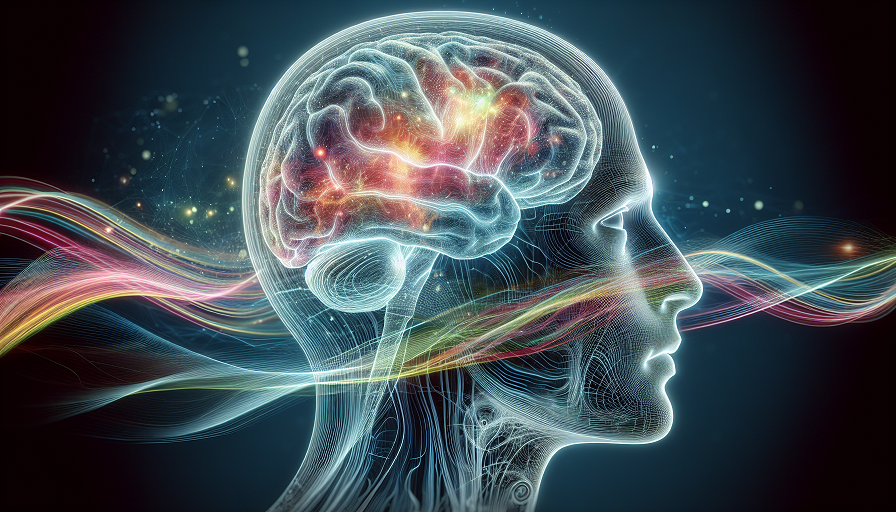
Yes – quite literally. Learning a new language strengthens neural pathways, increases gray matter density, and improves communication between brain regions responsible for memory, attention, and executive control. It’s one of the most effective mental workouts for long-term brain health and flexibility.
Contents
How Language Learning Changes The Brain
Unlike many skills that rely on a single region, language acquisition activates multiple networks across the brain. Listening, speaking, reading, and writing in another language require coordination between auditory, visual, motor, and cognitive systems. This broad engagement encourages new neural connections and structural adaptations.
Gray Matter Growth
Studies using MRI scans have shown that bilingual individuals often have increased gray matter volume in the hippocampus and inferior parietal lobule – areas linked to learning and memory. These changes reflect denser connections between neurons, suggesting genuine physical remodeling of the brain.
White Matter Integrity
Language learning also enhances white matter – the brain’s communication highways – especially in the corpus callosum, which connects the left and right hemispheres. This improves processing speed and the brain’s ability to switch between tasks or concepts.
Executive Function And Attention Control
Bilingual speakers tend to excel at focusing attention and filtering out irrelevant information. Switching between languages trains the brain’s executive control network, the same system used for planning, problem-solving, and resisting distractions.
Why These Changes Matter
Stronger connectivity and flexibility don’t just help you learn languages – they extend to other areas of cognition. Multilingual individuals often perform better on tests of memory, multitasking, and even creativity. Over time, this cognitive reserve may help delay symptoms of age-related decline or dementia.

How To Get The Cognitive Benefits
You don’t need fluency to benefit. Even beginner-level study can trigger structural and functional improvements. The key is consistent, active engagement that challenges both comprehension and recall.
- Daily Practice: 15–30 minutes per day is more effective than occasional long sessions.
- Speak Aloud: Producing speech activates motor regions and strengthens recall better than passive listening.
- Mix Input Types: Alternate between audio, reading, and writing for broader neural stimulation.
- Use Real Interaction: Conversing with others adds emotional and contextual depth, reinforcing memory through social engagement.
- Embrace Difficulty: Struggling to recall a word strengthens long-term retention through “desirable difficulty.”
Common Mistakes To Avoid
Not all language practice provides equal cognitive benefit. These habits can limit results:
- Rote Memorization Only: Flashcards alone build vocabulary but not flexible thinking. Mix in speaking and listening tasks.
- Inconsistent Study: Irregular bursts create weak, unstable memory traces. Prioritize daily exposure.
- Ignoring Context: Words learned without real-world context fade quickly. Pair new phrases with stories, emotions, or visuals.
- Overreliance On Translation: Thinking in your target language builds stronger direct associations and faster retrieval.
Who Benefits Most
Everyone can benefit, but older adults may see particularly strong effects. Research shows late-life learners still form new connections and improve cognitive performance. Younger learners, meanwhile, tend to achieve faster fluency but similar long-term neural rewards.
Learning a new language rewires your brain through structural growth and improved connectivity. Even modest, consistent study enhances focus, memory, and adaptability. Whether you’re practicing Spanish, Mandarin, or sign language, you’re effectively cross-training your mind for resilience and sharper thinking.


